The Business That Failed — But Built My Future
Sometimes the true return on an investment doesn't appear on an income statement. Sometimes it takes years to understand what you were actually building.

Sometimes the true return on an investment doesn't appear on an income statement.
Sometimes it takes years — and an entirely different chapter of your life — to understand what you were actually building.
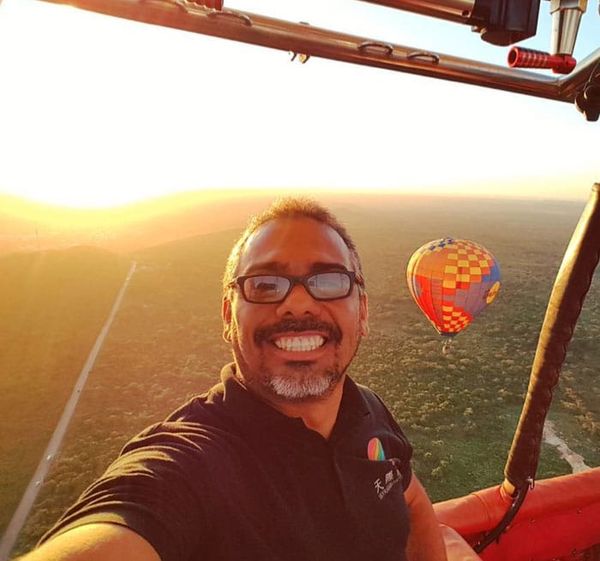
For more than two decades, I flew hot air balloons.
I founded Dominican Balloons in 2000, completed more than 3,000 commercial flights, became a flight instructor and experienced things that very few people have the privilege of experiencing.
From the outside, it was an extraordinary business.
And in many ways, it was.
But this is not a romantic story.
Because eventually, I had to admit something to myself:
I didn't want to do it anymore.
Risk changes when you repeat it
I have spent most of my professional life in aviation.
One of the things aviation teaches you is that risk isn't only about the probability of something happening once.
Exposure matters.
Flying a balloon occasionally is one thing.
Doing it commercially, repeatedly, year after year, thousands of times, is another.
Every flight requires decisions about weather, wind, passengers, equipment, landing areas and conditions that can change after you leave the ground.
I understood risk management.
And eventually I began asking myself a very personal question:
How much of the life I still have ahead of me am I willing to continue exposing to this risk?
The answer changed.
It wasn't because I suddenly became afraid of flying.
It was because I no longer believed that continuing to accept that level of exposure made sense for the life I wanted to build next.
And there was another reality.
A beautiful business isn't necessarily a good business
Hot air ballooning photographs beautifully.
The economics don't always look as good.
In our operation, the tour operator could take approximately 40% of the gross revenue.
Think about that for a moment.
We operated the balloons.
We managed the equipment.
We dealt with the weather.
We carried the operational responsibility.
We accepted the aviation risk.
And before many of the costs of operating the business were even considered, a significant portion of the gross revenue was already gone.
For years, I made it work.
But eventually I had to recognize the difference between operating a business and building wealth.
Dominican Balloons allowed me to survive.
It gave me extraordinary experiences.
It gave me a unique place in Dominican aviation.
But financially, it wasn't taking me where I wanted to go.
Meanwhile, something enormous was happening around me.
Punta Cana was growing without me
I watched Punta Cana grow before my eyes.
Hotels.
Communities.
Roads.
Businesses.
Developments.
Investors arrived. Entrepreneurs arrived. Real estate expanded. Land values changed.
People were creating wealth from the transformation of a place I had known for years.
And one day I had to confront an uncomfortable thought:
Punta Cana was growing — and I wasn't participating in its growth.
I was there.
I knew the area.
I had watched much of the transformation happen.
Yet economically, I often felt as though I were watching it from the sidelines.
That realization was difficult.
But it was also clarifying.
I needed to reinvent myself.
Burning the balloons
There is a phrase entrepreneurs like to use:
Burn the boats.
Eliminate the possibility of retreat so that moving forward becomes the only option.
It sounds inspirational when you read it in a book.
Living it is different.
When I decided to close the balloon chapter of my life, I knew myself well enough to understand that leaving the door open could become a problem.
The familiar has gravity.
When something new becomes difficult, the old life begins to look surprisingly attractive.
So I made a decision that may sound strange.
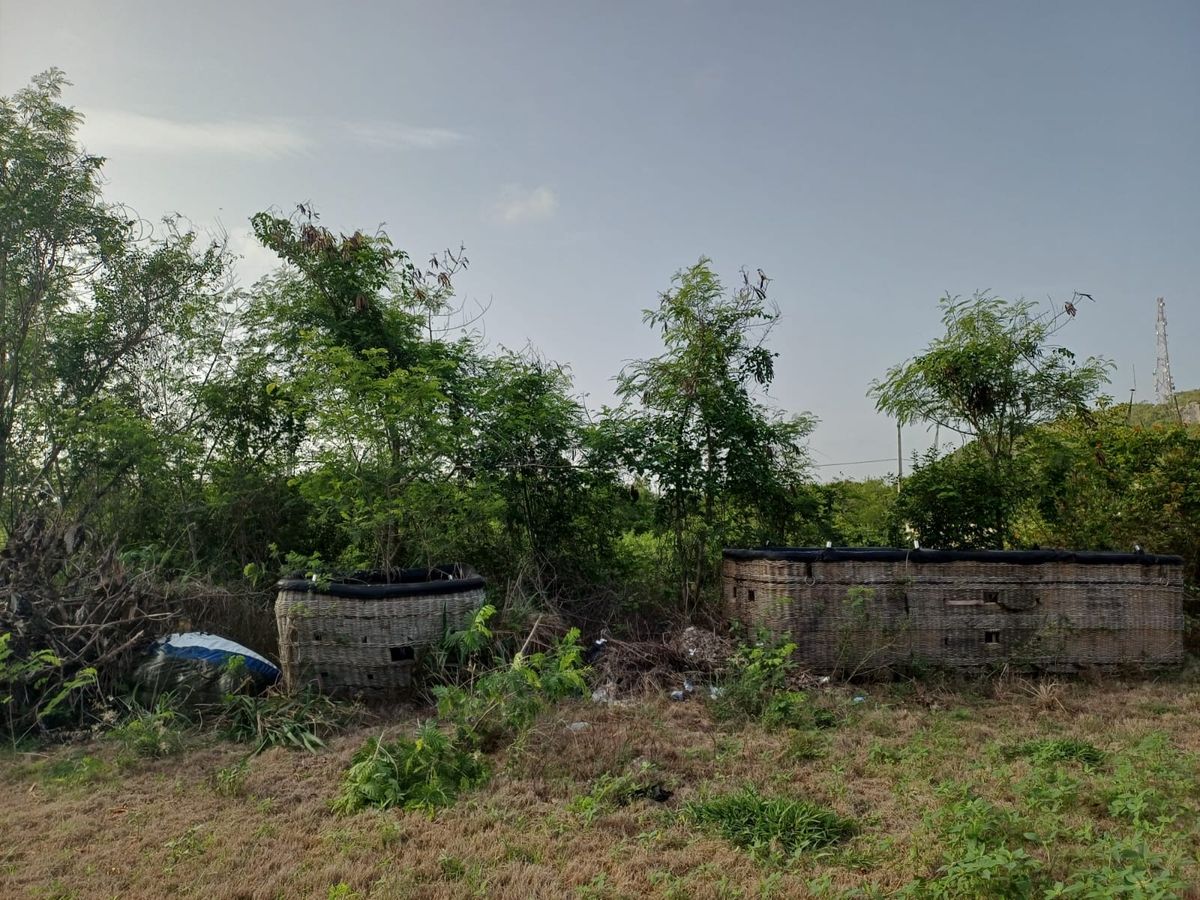
I left the balloons outside.
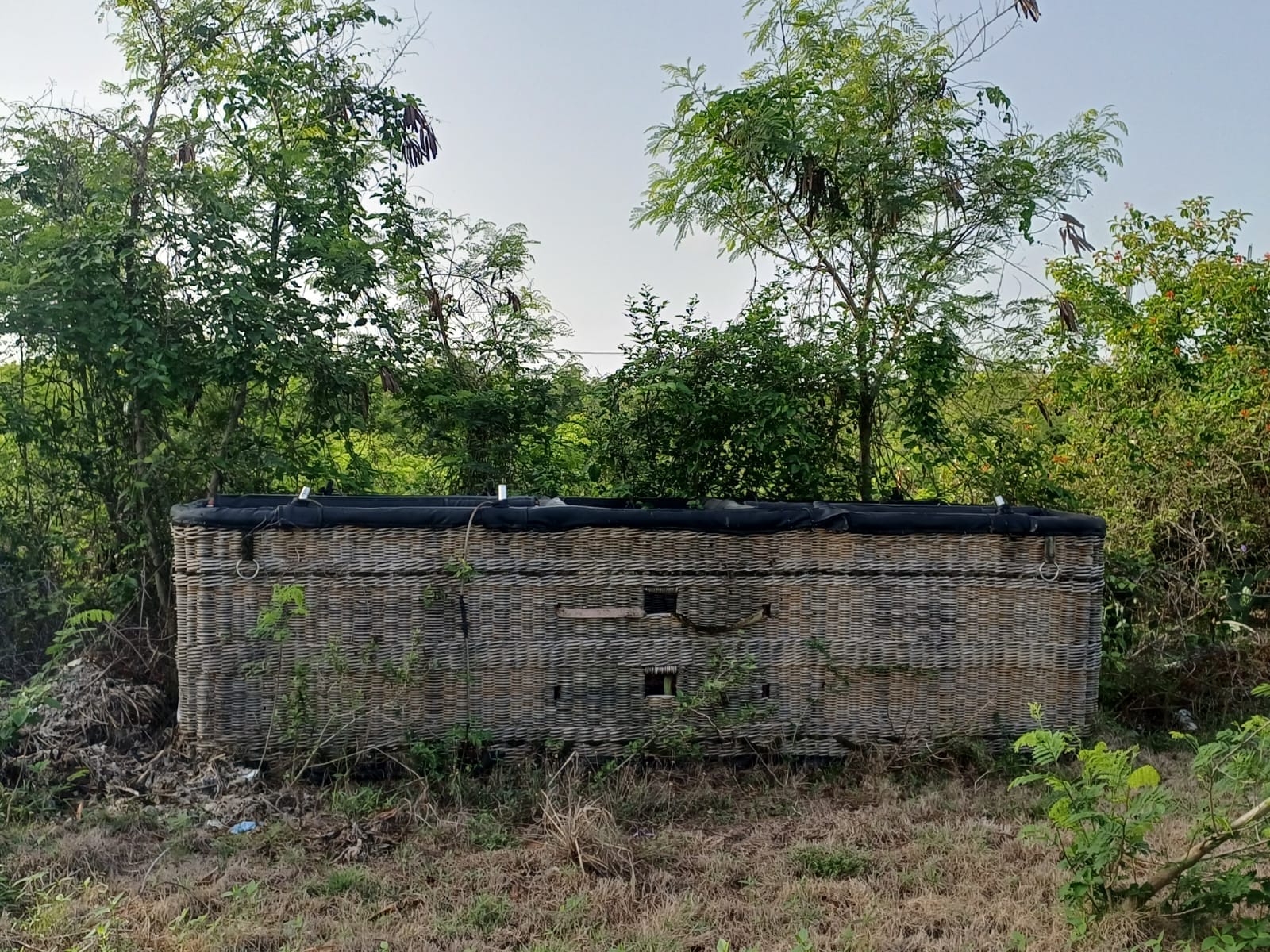
I knew what exposure to the elements would eventually do to them.
I let it happen.
Those balloons represented years of my life, thousands of flights and an identity that had become inseparable from who I was.
But I didn't want an easy road back.
I needed to look forward.
I was starting again.
And starting again after decades of experience has an interesting contradiction:
You have knowledge.
You have relationships.
You have scars.
You have perspective.
But in the new business, you can still be a beginner.
That was me returning to real estate.
Then something unexpected happened
For a long time, it would have been easy to look at Dominican Balloons strictly through its financial results and conclude that it had never become the business I hoped it would become.
But years earlier, something had happened almost incidentally.
The balloon operation needed land.
About twelve years ago, we acquired approximately 6,000 square meters for the operation.
The price was around US$8 per square meter.
At the time, the land had a practical purpose.
We needed it for balloons.
I wasn't looking at it as the cornerstone of some sophisticated real estate investment strategy.
It was land the operation needed.
That was approximately a US$48,000 asset at the acquisition price.
Then Punta Cana continued growing.
And growing.
And growing.
Today, I estimate that same land at approximately US$120 per square meter.
Six thousand square meters at that value represents approximately US$720,000.
The land didn't change size.
Punta Cana changed around it.
And suddenly, a business I could have described as financially disappointing looked very different.
Maybe I had been measuring the wrong return
Dominican Balloons may not have created the financial future I imagined when I founded it.
But somewhere along the way, it caused me to buy a piece of Punta Cana.
The balloons needed the land.
The business justified acquiring it.
And time did something neither the balloons nor I could have done alone.
It transformed the value of the asset underneath the business.
There is an irony I appreciate today.
The balloon business taught me how to fly.
The land underneath it taught me something about real estate.
What looked like a struggling operating business had quietly created one of the most important assets in my financial life.
That doesn't mean the business was secretly a brilliant investment strategy.
It wasn't.
I didn't predict what would happen.
And I think that distinction matters.
We have a tendency to rewrite our past once we know how the story ends.
We turn accidents into strategies.
We turn difficult decisions into master plans.
We make the journey look much more organized than it really was.
Mine wasn't.
Starting again
When I returned seriously to real estate and eventually created CanaCity, I wasn't returning because everything had gone according to plan.
I was returning because I needed another plan.
I had closed an important chapter.
I was watching Punta Cana transform.
I knew I was starting again in an industry that had changed enormously since my first real estate company decades earlier.
But this time, I understood something I couldn't have understood when I was 26:
Owning part of the growth can be very different from simply working inside it.
That lesson changed the way I looked at Punta Cana.
And it changed the way I looked at my own financial future.
What did Dominican Balloons really leave behind?
I could answer that question in many ways.
Thousands of flights.
Passengers.
Stories.
Aviation experience.
Friendships.
Memories that will stay with me for the rest of my life.
But there is also a piece of land.
Six thousand square meters that once had a very simple purpose:
We needed somewhere to fly balloons.
Today, that land has become part of the financial foundation from which I can build what comes next.
There is something wonderfully imperfect about that outcome.
The business didn't succeed exactly as I wanted it to.
The plan didn't unfold exactly as I imagined it.
And the most valuable financial result may have come from something I wasn't originally trying to accomplish.
That has changed the way I think about success and failure.
Sometimes a business can disappoint you and still leave you with something extraordinarily valuable.
Sometimes an ending finances a beginning.
And sometimes it takes twelve years to discover that what looked like a failure had been quietly building your future all along.
Time has a way of revealing what we were really building.
— Luis Leonardo
Punta Cana, Dominican Republic