3,000 Flights and One Lesson About Risk
More than 3,000 hot air balloon flights taught me that good judgment isn't about avoiding risk. It's about knowing when to move—and when not to.

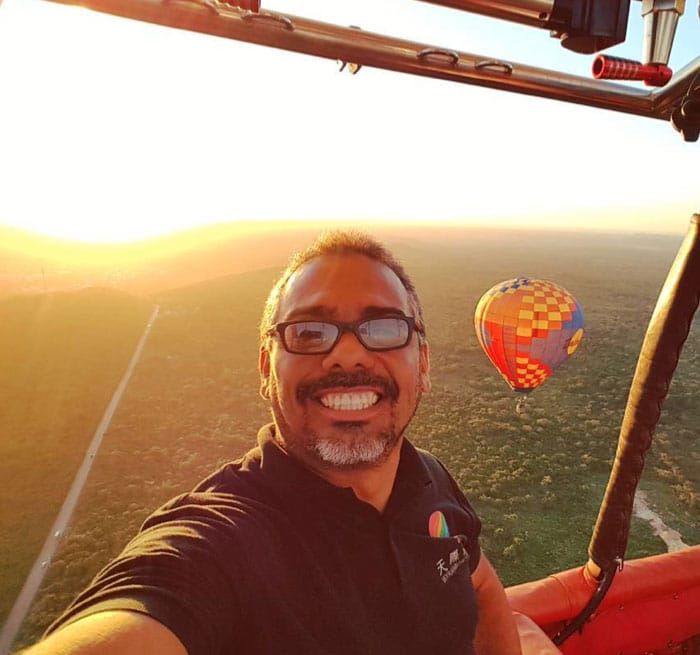
I have flown more than 3,000 commercial hot air balloon flights.
And if there is one thing those flights taught me, it is this:
The hardest decision is not always when to fly.
Sometimes, it is knowing when not to.
In aviation, that decision can protect lives.
In business, it can protect years of work.
And in life, it can change everything.
The flight begins long before takeoff
When people see a hot air balloon floating quietly across the sky, everything looks peaceful.
And it is.
There are few experiences as beautiful as watching the world slowly fall away beneath the basket while the balloon becomes part of the wind.
But what passengers rarely see is everything that happened before the burner was ignited.
Weather forecasts.
Wind direction.
Surface conditions.
Possible landing areas.
Changes expected during the flight.
And one question that every responsible pilot must eventually answer:
Should we fly today?
For more than two decades with Dominican Balloons, I had to answer that question again and again.
Sometimes the answer was yes.
Sometimes it was no.
And “no” was often the more difficult decision.
There is pressure to take off
Passengers have been waiting.
The crew is ready.
Equipment has been transported.
People may have traveled considerable distances.
Money has already been spent.
The sky may even look beautiful.
Everything around you seems to be saying:
Go.
But aviation teaches you something very quickly:
The existence of pressure does not change the conditions.
The atmosphere does not care about your schedule.
The wind does not know that customers are waiting.
And weather does not negotiate because you have already invested money.
You have to make the decision based on what is actually happening — not on what you hoped would happen.
That lesson stayed with me.
Risk is not the enemy
People sometimes assume that pilots are people who are comfortable taking risks.
I see it differently.
Aviation taught me not to fear risk, but to respect it.
There is a significant difference.
If your objective is to eliminate every possible risk, you will probably never leave the ground.
But if you ignore risk, eventually reality will make the decision for you.
Good judgment lives somewhere between those two extremes.
It asks:
What do I know?
What don't I know?
What could change?
And if it does, what options will I still have?
That way of thinking followed me from aviation into almost every other area of my life.
Business has its own weather
Entrepreneurs face a different atmosphere.
Markets change.
Customers change.
Partners change.
Capital becomes expensive.
Projects that looked extraordinary six months earlier suddenly make less sense.
And then something very human happens.
We begin defending yesterday's decision instead of evaluating today's conditions.
We tell ourselves:
We have already invested too much.
We have already come too far.
People are expecting this.
We cannot turn back now.
I heard versions of those same arguments before balloon flights.
But money already spent does not improve the weather.
Neither does pride.
Sometimes leadership means moving forward despite uncertainty.
Sometimes leadership means waiting.
And sometimes leadership means looking at everything you have invested and still having the courage to say:
Not today.
Experience doesn't eliminate uncertainty
After thousands of flights, I became more experienced.
But experience never gave me control over the wind.
What it gave me was something more useful:
better judgment.
You begin recognizing patterns.
You notice small changes earlier.
You understand which conditions deserve attention.
And perhaps most importantly, you become more comfortable making decisions without having perfect information.
That is one of the great misconceptions about experience.
We imagine that experienced people know exactly what will happen.
Usually, they don't.
They have simply learned to make better decisions when they don't.
The decision nobody applauds
There is something interesting about deciding not to take off.
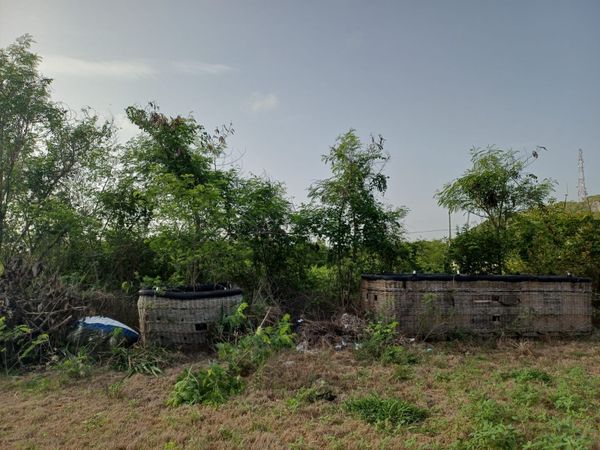
Nobody sees the flight that didn't happen.
There is no photograph from the sky.
No story about the beautiful landing.
No applause for the pilot who looked at the conditions and decided to unpack everything another day.
Yet sometimes that may be the best decision of the entire operation.
Leadership is often like that.
Some of our most important decisions will never produce visible evidence of what they prevented.
Nobody celebrates the investment you didn't make.
The partnership you walked away from.
The expansion you postponed.
The opportunity you decided wasn't right.
We tend to measure ourselves by the things we did.
But maturity also requires us to recognize the value of some things we chose not to do.
More than 3,000 flights later
When I think about my years flying balloons, I remember extraordinary mornings, remarkable passengers and views that are difficult to describe.
I remember watching the Dominican landscape from a perspective very few people ever experience.
But some of the lessons I carried away from ballooning were learned before we ever left the ground.
More than 3,000 flights taught me that courage is not simply the willingness to take off.
Sometimes courage is being prepared, seeing an opportunity, feeling the pressure to move...
and still being willing to wait.
Because whether you are flying a balloon, building a company, making an investment or making an important decision in life, the objective is not simply to move.
The objective is to know when the conditions are right to move.
And sometimes the wisest decision you can make is the one that leaves you exactly where you are —
ready to fly another day.
— Luis Leonardo